
Substitutes, hacks and essentials for a delicious and nutritious diet
Before I go on, I want to make it clear that I don’t follow a plant-based diet, in fact, I don’t think there’s anything I don’t eat (except for raw celery, ew…), however, in the past year or so, I have enjoyed testing out a lot more plant-based recipes and ingredients, and am happy to whip up meat-, egg- and dairy-free meals quite regularly, alongside my steaks, chicken curries and seafood dinners.
Here I want to highlight some of my favourite plant-based alternatives and ingredients that you can try out in your own cooking, whether you want to go vegan completely, or are simply open-minded when it comes to trying new things.
A couple of disclaimers before I get stuck in – I’m aware that there are lots of people following vegan diets who have no wish to recreate meat and dairy products, and in some ways may see that as contradictory to their ethical beliefs, however, I do believe that meat substitutes are a great way of being able to replicate textures and flavours that someone following an exclusively plant-based diet may miss. Meat replacements can act as a way of enjoying food to its fullest extent without compromising on your beliefs, but if it’s not for you, then that’s no problem, just ignore those suggestions!
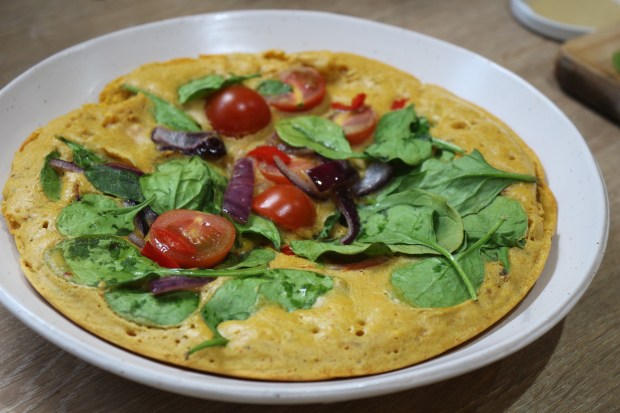
One thing that does frustrate me when I’m discovering new plant-based recipes is when they’re labelled as something they’re not. One primary example that I’ve come across is the concept of a chickpea ‘omelette’. Some people who no longer eat eggs may miss omelettes, and so on seeing a recipe with this title, you’d be forgiven for thinking that chickpeas could be warped into something resembling an omelette. Well, I’ve tried these recipes, and it’s not an omelette. It bears closest resemblance to a thick and heavy chickpea flour pancake, and so misleading titles like this do annoy me. Plant-based food can be so delicious, there’s no need to con people into thinking you’ve come up with a ground-breaking substitute. So, sorry guys, but if you only eat plant-based, as far as I’m aware, omelettes are no more.
Anyway here come the ideas; the food and hacks that’ll make it so much easier to enjoy meat and dairy-free meals.
Dairy
Cream, milk and yoghurt
One of the biggest food groups you may be concerned about is dairy – so many of us adore cheese, many recipes call for the use of cream, and milk is a daily staple. Luckily, the plant-based alternatives are getting better and better. Alpro does a really good cream alternative, which although slightly thinner in consistency, works a dream in dishes that require a little splash, for example a pasta sauce. It’s also got a lower fat content.
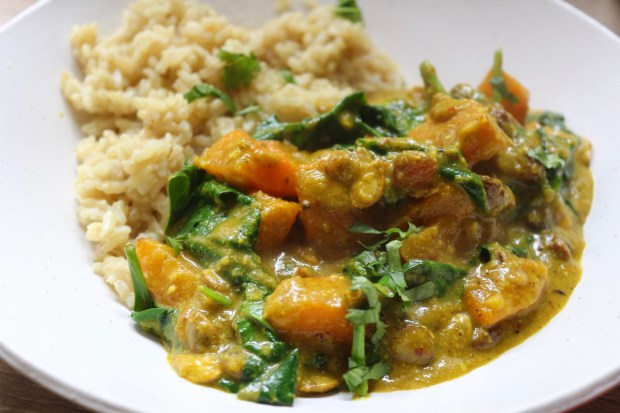
If it’s curry you’re in the mood for, go straight for coconut milk. This is often used in non-plant-based curry recipes anyway and so you aren’t compromising on flavour or texture at all. Because it’s so widely used, coconut milk is cheap in comparison to other dairy-free alternatives.
For your everyday milk, there are loads of options on offer. Without making a conscious effort to try everything that’s out there, I’ve ended up religiously buying soy milk. If you want to avoid soy, there’s almond, oat, and coconut milk, to name a few other options. It’s worth experimenting just to see what works best for you, as their nutritional content is slightly different, with some containing more sugars, and there are also subtle differences in flavour. Plant-based milks certainly aren’t as thick and creamy as cows’ milk, but I personally don’t miss it in my hot drinks and cereal, and you’d never know the difference when baking, even if the recipe calls for standard full-fat milk.
Yoghurt and cream cheese alternatives, in my opinion, are not quite as developed as the milk on offer yet, but there’s still plenty out there. Coconut yoghurt is one of the most common plant-based versions, however, I do find that the coconut flavour is quite strong. If you’re looking for a more neutral flavour, soy yoghurt is available, but it tends to lack the sweetness of traditional Greek yoghurt. I would opt for coconut yoghurt to eat on its own, and soy yoghurt for use in cooking and baking.
So far, when it comes to cream cheese, I haven’t seen many options readily available in my local supermarkets, but I’m sure more exist. The only one I have seen is coconut cream cheese, which I haven’t tried. I’m sure this would be ideal for baking, however, if you wanted to use it as a spread, there are other slightly different alternatives, including thick and creamy tofu spreads, or cashew cream cheese which isn’t too difficult to make at home.
Cheese
The final element of dairy to address is hard cheese, and for cheese-lovers embarking on a new plant-based journey, this can often be one of the most difficult parts, as vegan cheese has a reputation for being a pretty poor substitute. Having said that, improvements are being made, and if you’re looking for a plant-based cheese that melts, violife is the one. I absolutely love it – it’s a dream in toasties, or grated and melted as a topping on pastas, and it has a really nice flavour too. Unmelted it’s ok, but I probably wouldn’t choose to eat it that way. If you want plant-based cheese to eat uncooked, it’s worth checking out the emerging small businesses that are making their own plant-based cheeses, mostly from nuts. I bought a few cheeses from I am Nut Ok at a local market – one truffle cheese, one chipotle cheese and a jar of vegan parmesan. Admittedly they don’t taste like your typical dairy cheeses, however, they are quality products, with great flavour that can definitely contribute to filling that cheese-shaped void in your life. The Parmesan is particularly good. La Fauxmagerie is another dairy-free cheese producer that’s worth exploring.
Protein
Vegetable substitutes
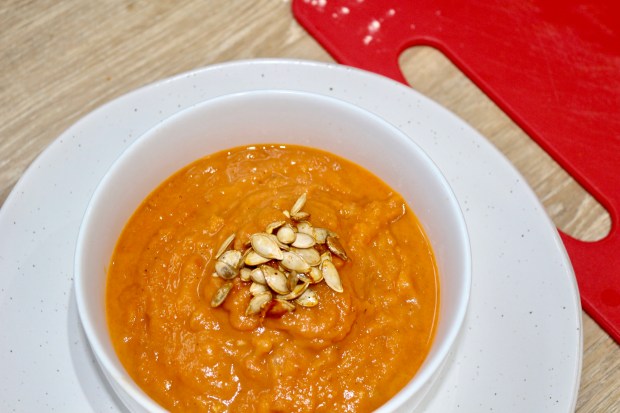
When it comes to the protein in your meal, or replacements for meat products, there are so many options. Whether you’re using quinoa and beans in a chilli, aubergine slices as burger patties or butternut squash and sweet potato in soups and curries, veg, beans and pulses are incredibly versatile, and adapt to different flavours really well. One of my favourite discoveries was oyster mushrooms – they have a slightly chewy texture, and very mild flavour and are used as a meat replacement in lots of recipes, from tacos and burritos to stews. They’re not always the easiest to find but they’re definitely worth trying out.
Pulled Pork replacements
In the past year or two, a food trend that has emerged seemingly from nowhere is the rise of jackfruit. Despite having been a staple in many global cuisines for a long time, the western world has suddenly begun to idolise it as if it were a brand new discovery. Although it is a fruit, it’s most commonly used in savoury dishes, and one of the techniques being splashed all over the internet and in ‘street food’ menus is pulled jackfruit – a replacement for pulled pork. Its stringy texture makes it a strong substitute, and once it’s bathed in various sauces and spices, it barely resembles a fruit at all.
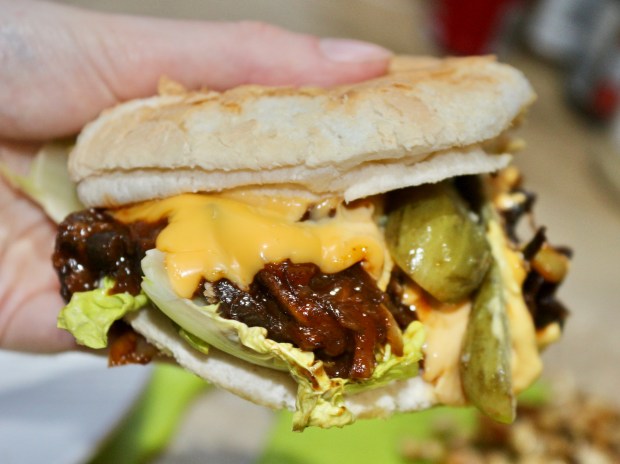
One of my favourite new discoveries that’s also visually (though not texturally or ‘flavourally’) similar to pulled pork, is pulled banana skin. Yes that’s right, the actual peel. I first saw it done on an Instagram story of Nadiya Hussain’s and couldn’t believe the delicious cheesy burger bun image she’d posted was filled with thick, black banana peel. Not one to shy away from a challenge, I thought I’d give it a try, and I don’t think I’ll ever be able to throw banana peel away again. You should keep it refrigerated until it goes super dark, and then use a fork to peel apart the skins, into stringy pieces. What you do next is up to you, but Nadiya throws it in a pan with some onion and garlic, and then adds a load of sweet bbq sauce.
Tofu
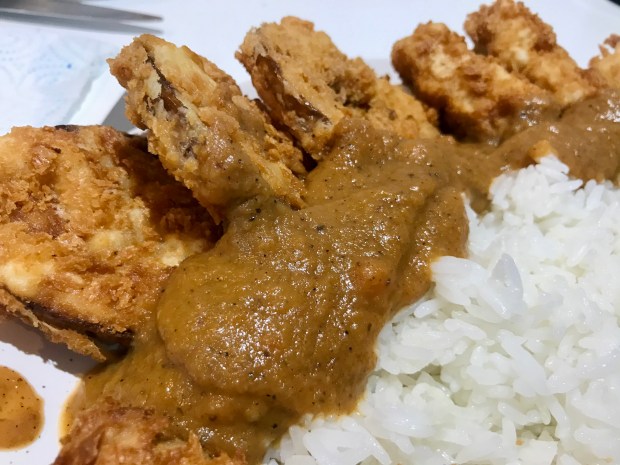
A controversial vegan staple is tofu. I completely get why people would be put off by it – to say it like it is, it’s the most bland thing you could possibly eat, and the texture isn’t particularly appealing either. So why eat it at all? Well, I guess it can be a pretty decent meat replacement, but you have to know how to cook it. It’s all about seasoning, marinating and spicing it up, maybe even with a crunchy batter or crumb. Personally I don’t think tofu is something we should decide we love or hate – actually, it wholly depends on how you eat it and what you have it with. I’ve had tofu dishes that I haven’t enjoyed, but others that have been great, including tofu katsu and tofu dumplings. One of my favourite uses of tofu was a Rachel Ama recipe where she turns it into a thick, creamy spread with the simple addition of some chives. The recipe can be found in her book ‘Rachel Ama’s Vegan Eats’ and is perfect on toast. So don’t judge it too soon – once you find a fantastic recipe, full of flavour, you’ll be able to enjoy tofu too.
Seitan
There are of course, some rather more ‘hardcore’ meat replacements, and by that I mean those that require a little more spending and effort in order to turn them into a tasty meal. The most on trend at the minute is Seitan. Otherwise known as wheat gluten, it’s the thick, elastic gluten leftover when all the starch granules have been removed from wheat flour dough. It’s become super popular as a much more convincing meat substitute than tofu, and has a more pleasing texture. I’ve had seitan wings, seitan burger patties and seitan doner meat to name a few, and I’ve been a fan every time. I’m pretty sure you can buy pre-prepared seitan, but some recipes (like many of Avant Garde Vegan’s) require you to make your seitan patties and bacon from scratch, which is why it requires a bit more time and dedication.

There is some debate over these kinds of meat replacements in terms of what nutrition they actually provide for our bodies. With meat you’re getting a solid helping of protein, and from vegetable-based meat replacements you take in multiple nutrients, however the likes of tofu and seitan don’t really have much to offer. For me, these types of substitutes are more of an occasional purchase, and ideally it’s much better to cook with food that bears greater resemblance to its original form, i.e. fruit and veg.
Eggs
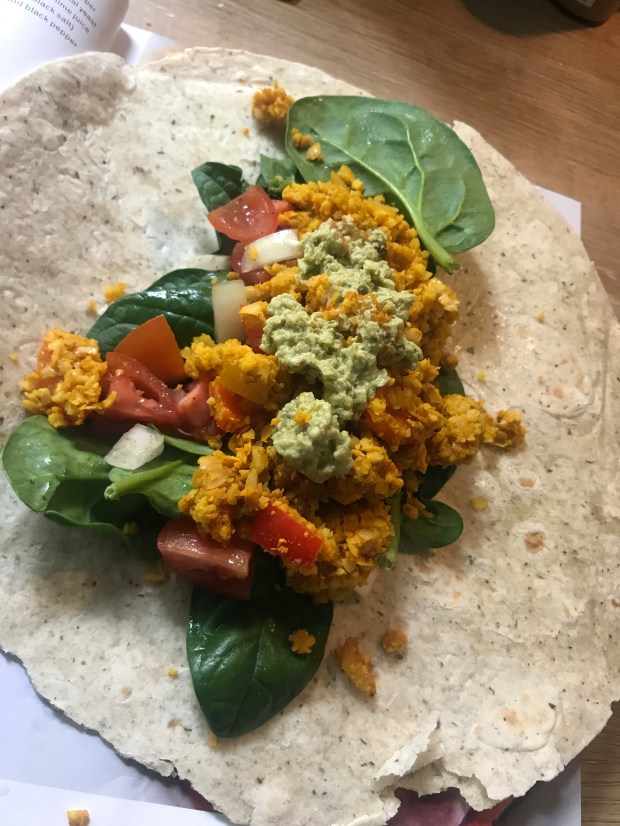
Moving onto eggs, these are something that you may be struggling to work out how you’re going to live without if you’re considering going vegan. There are various replacement options, depending on the type of egg you’re after. To be honest, I don’t have anything to offer when it comes to fried or poached eggs, however, scrambled are a popular vegan choice. Common replacements include, tofu, mashed chickpeas and ackee (a fruit popular in the Caribbean). I have tried the ackee concept, but am yet to have cooked it successfully so can’t speak on behalf of that one. Tofu scramble can be very nice, providing it’s well-spiced and seasoned. One of my favourites, though, was another of Rachel Ama’s recipes for a chickpea scramble breakfast wrap. I’m not sure the scramble would be as satisfying on it’s own, but certainly as a filling it tasted fantastic, and the texture wasn’t bad.
When it comes to baking with eggs, there are a number of options. To recreate the binding effect that eggs offer, mixing chia or flax seeds with water is a great option, as the seeds expand as they take on water, and you’re left with a thick, gelatinous mixture. Things like apple sauce are a great way of getting moisture into bakes without using eggs, although from the vegan baking recipes I’ve tried so far, as delicious as they’ve been, they never quite achieve the same rise.
Sauces and flavourings
There’s absolutely no reason why plant-based food should be bland, as generally sauces, stocks and spices are in no way off-limits to those avoiding animal products, even if specific vegan versions have to be made. One of the most commonly used flavourings in plant-based meals is nutritional yeast. These flakes can be added to sauces, pastas and even water to create a kind of stock, and they have a distinctly cheesy smell and flavour that otherwise would be missed in a vegan diet. Miso paste, liquid smoke and soy sauce/coconut aminos are other key flavour boosters – you can even buy vegan fish sauce.
It’s also super easy to create plant-based sauces from scratch. Avoiding dairy products, cashews are a key ingredient for whipping up thick, creamy sauces – they just need to be soaked for a few hours then blended along with whichever other flavourings and ingredients you’re craving.
Although standard pesto isn’t vegan (or vegetarian for that matter) due to the use of parmesan, it’s incredibly easy to either leave it out, use a vegan version, or just add a sprinkling of the aforementioned nutritional yeast. Rather than sticking with the same pasta sauce every day of your life, pesto is such a fun one to jazz up, as it can be made with any combination of veg, nuts, garlic and olive oil.
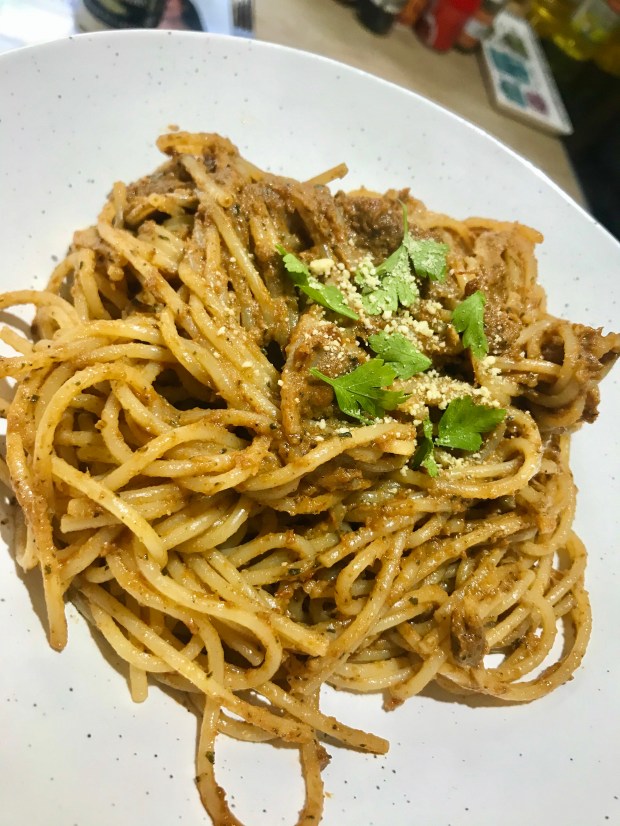
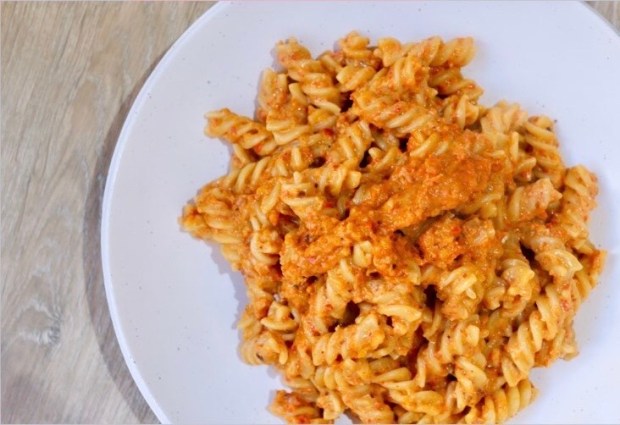
Obviously tomato-based sauces never have to be off-limits, but even these can be made more exciting by incorporating sun dried tomatoes or red peppers into the mix. You can try pesto versions of those ingredients, or mix them with soaked blended cashews for a creamy red sauce – much like the equivalent of a little tomato puree swirled through some mascarpone, only with loads more flavour.
Baking
Baking is one area in which it can be a bit tougher to convince people of plant-based ingredients’ ability to get the job done. But believe me, I’ve followed a few plant-based sponge recipes now, and they have been delicious. As I mentioned regarding the lack of eggs, you don’t quite get the same rise, but they do still rise enough. Apple cider vinegar is a good addition as it should react with your raising agent (baking powder or bicarb) to generate a slightly more significant rise. For added moisture in your bakes, bananas or apple sauce are decent options, although obviously they will affect the flavour to an extent.

Believe it or not, meringues aren’t off the cards either. Odd as it may sound, aquafaba, which is the liquid you find in tinned chickpeas etc, is the main ingredient in whipping up vegan meringues, although not having tried it myself, I’m sure it takes a fair bit of practice.
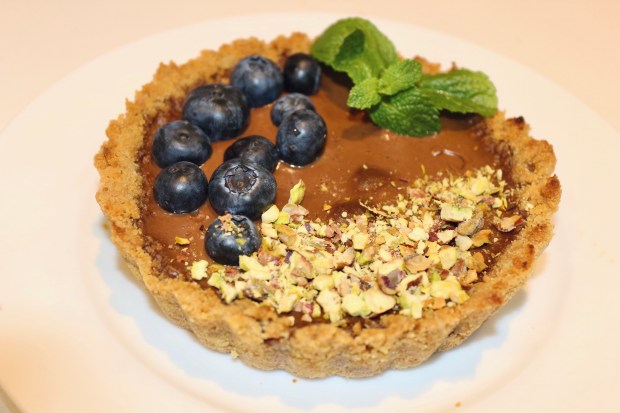
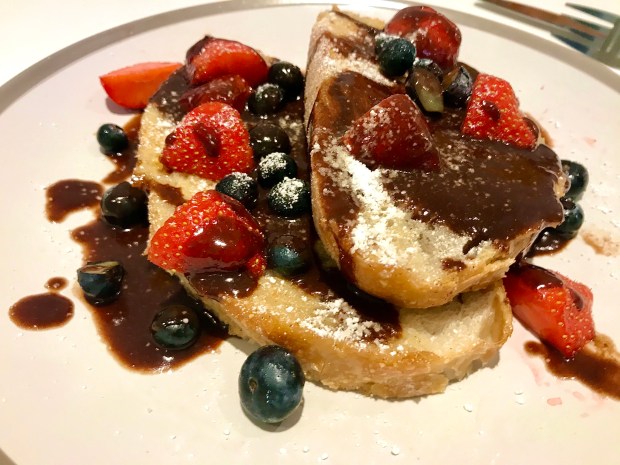
In terms of brunch baking, fear not, because pancakes and French toast are still firmly on the menu. For your French toast egg wash replacement, simply combine plant-based milk with maple syrup and vanilla essence and soak your bread in that. Pancakes can be made equally as easily without eggs – a base mixture of milk, flour, baking powder and vanilla essence will do just fine.
What this post goes to highlight is just how many creative, straightforward and widely shared options there are nowadays when it comes to cutting down on your meat/fish/dairy/egg intake or avoiding animal products altogether. This also applies to the kinds of ingredients you can access in supermarkets, with vegan versions of chicken, mince and bacon now all being pretty common finds. Lots of popular confectionary such as Oreos, Biscoff and party rings are also vegan certified so you don’t have to miss out on the good stuff.
So whether you love doing your bit for animal welfare and the environment, or you still love a juicy beefburger, there shouldn’t be anything to stop you from being a bit more experimental in the kitchen when it comes to eating well. Buddha bowls, seitan steaks and chickpeas galore, plant-based definitely isn’t something to be feared.
¡Comemos!
xo
 ¡Comemos!