Coconutty Fish Curry

This recipe wasn’t planned. It was a ‘what have I got in the fridge that needs using up?’ kind of meal, which then ended up being utterly delicious. It turned out that it was fresh fish stock and coconut cream that were in my fridge, crying out to be saved, avoiding getting lost behind mountains of double cream, yoghurt and pancetta, or indeed, just ending up in the bin.

I can’t say it’s the most photogenic dish, but we’ve got way too caught up in a world where a dish’s appearance is more influential than its flavour, so excuse the imperfect imagery, and simply try it for yourself – this definitely bears more resemblance to curries in India than restaurant or takeaway curries!
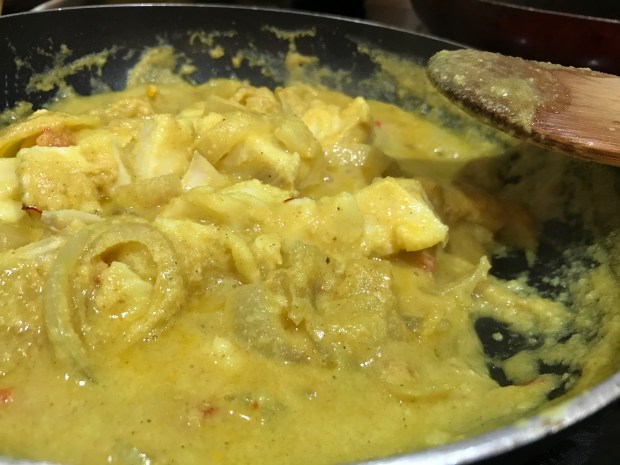
The idea of making a curry without using a ready-made sauce or paste can often seem like a lot of effort, but experimenting with different spices and flavourings is what makes it exciting. I can assure you that this curry recipe is very straightforward and doesn’t require a food processor or hand blender for the base paste.

You can adjust the spice levels to your taste – this wasn’t fiery, but I do like a fair bit of chilli in mine.

Serves 2

1 large onion

Thumb of ginger

1 whole chilli

1 ½ tsp turmeric

1tsp chilli powder

40g coconut cream (I used the kind that comes in a solid block)

250ml fish stock (fresh if you can find or make it)

2 white fish fillets

A pinch of saffron

Sprinkling of desiccated coconut

Rice or flatbread to serve

  1. Slice the onions and cook for at least 20 mins in oil on a low heat until they are beginning to caramelise.
  2. Add the diced chilli and grated ginger along with all the spices except the saffron. Cook for a few more minutes until fragrant.
  3. Add the coconut cream and fish stock, turning up the heat slightly and cooking until reduced by1/3. 
  4. Add saffron and chunks of fish (or you can keep the fillets whole) and cook until fish is done.
  5. Serve with rice and a sprinkling of desiccated coconut. 
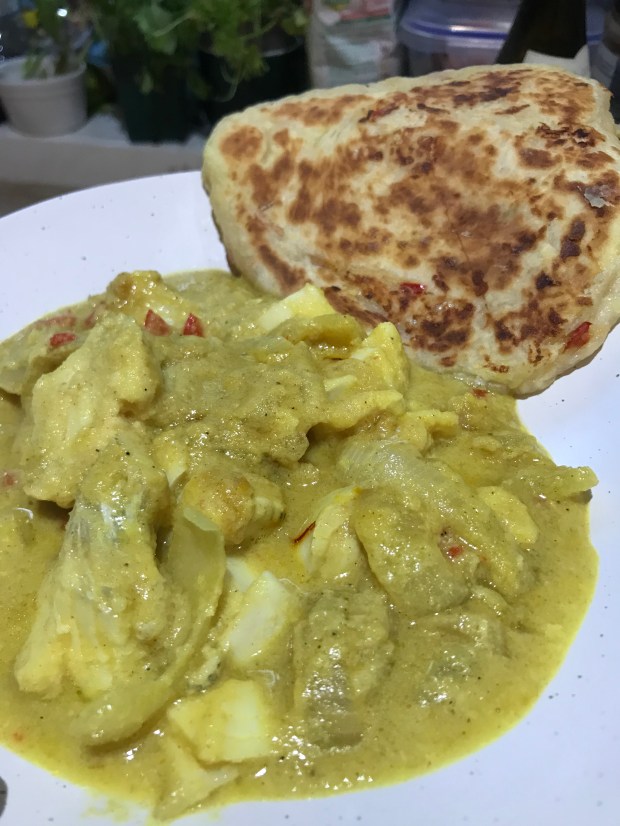
As you can see, there are so few steps to this recipe, and once the onions are done, it’s a pretty quick-to-cook meal. It’s sometimes difficult to leave the onions alone for so long, as the temptation is just to get on with things, but allowing them to properly caramelise really does add to the flavour so try to resist the urge to move on too early – I promise it’ll be worth it.

¡Comemos!

xo
Butternut Squash and Spinach Curry

I love following recipes. When I’m conscientiously working step by step through someone else’s instructions for a masterpiece, I’m learning.

More recently, however, I’ve started to think that although I do love other people’s recipes, the only way to take my cooking to the next level, is to trust myself a little bit more, and take what I’ve learnt, trying to put that into practice to produce my own recipe-less meals.

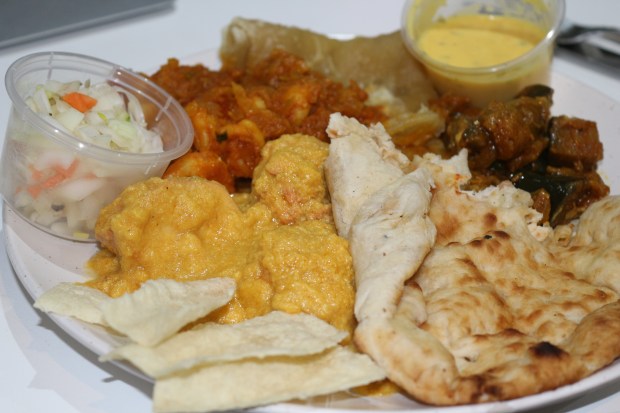
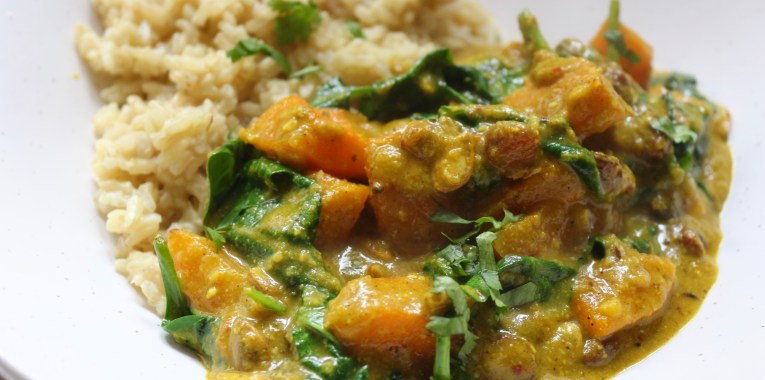
I had an Indian takeaway the week before last, and realised that my absolute favourite kind of curry is that creamy, thick, slightly sweet sauce. Sort of like a korma, but sweeter. That’s not to say that I’m not good with spice, because I love the heat, but I’m just such a sucker for sweetness.

That creamy takeaway curry that I adore

I don’t think I’ve ever followed a cookbook or internet recipe that has successfully emulated this sweet and fragrant kind of curry sauce, so that’s where my mission came in.

I’m very happy with the paste I’ve managed to produce. It’s so full of flavour, and could be adapted to work with a variety of main ingredients, so if you’d rather try chicken, or wanted to substitute the spinach for chickpeas, etc., it would work.

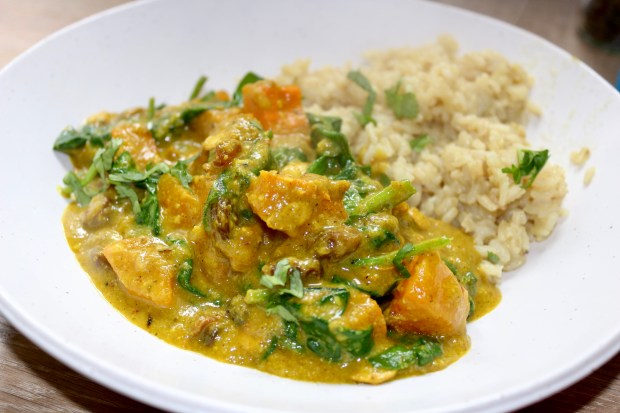
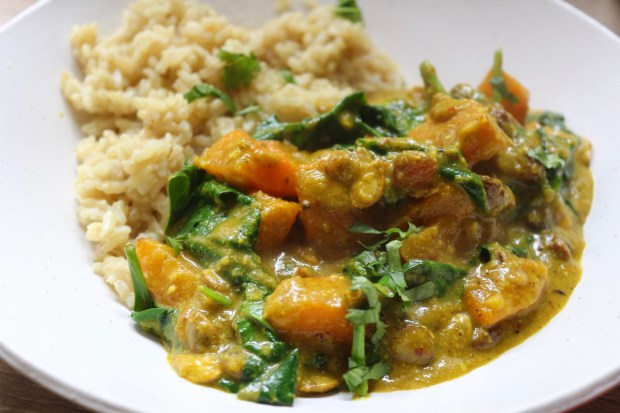
This curry didn’t end up being as thick and creamy as those I’ve tried and loved in the UK, however, thinking back to my recent visit to India, curries over there really aren’t like that at all. They tended to be either slightly more runny, or towards the other extreme, lacking in sauce and instead focusing on the paste as a sort of coating.

So there’s my excuse for the consistency of this delicious, healthy curry.

As always I come with disclaimers – my oven behaves like a bonfire, and so any recipe that says roast for 40 minutes, in my oven, has to be converted to about 20 to prevent a lump of charcoal emerging 40 minutes later. Therefore, timings may need to be adjusted accordingly to account for differences in appliances. Just use your common sense.

Serves 2

Ingredients:

  • ½ butternut squash + seeds
  • olive oil
  • chilli or paprika flakes
  • 1 tbsp turmeric
  • 200ml coconut milk
  • 2 mini packs of raisins
  • 2 handfuls of spinach
  • small handful coriander
  • rice of your choice to serve

For the paste:

  • 1 large onion
  • 2 cloves of garlic
  • 2tsp ginger paste or thumb of fresh ginger
  • 1tbsp curry powder
  • ½ tsp cinnamon
  • 1tsp cumin
  • ½ tsp chilli powder
  • 1 tsp fenugreek
  • large pinch of salt
  • seeds of 1 cardamom pod
  • large handful of coriander
  • handful of almonds
  • 4 dates or 2 tbsp maple syrup
  • 1 tbsp water
  1. Preheat overn to 180
  2. Cube the butternut squash then rub the cubes and seeds with olive oil and chilli or paprika flakes
  3. Roast for 10 minutes (ish) or until almost cooked through. Then put to one side.
  4. Heat oil in a pan and add chopped onion and garlic. It doesn’t particularly matter how they’ve been chopped, as they’ll end up blended anyway.
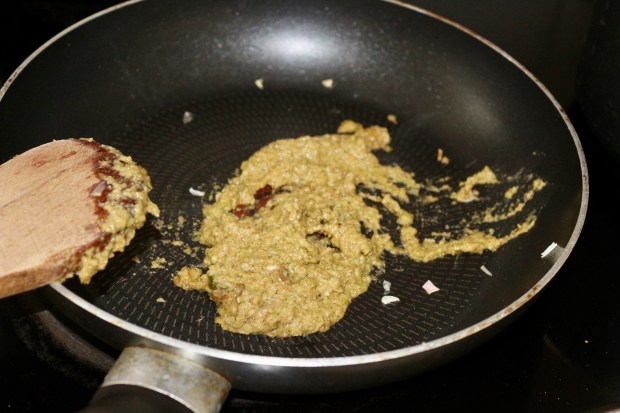
  5. Add all the paste ingredients to a blender and blend to a smooth paste. Don’t worry if the colour doesn’t look particularly appetising; we’ll correct that shortly.
  6. Begin to cook the paste in a pan, adding the turmeric, coconut milk and raisins.
  7. The coconut milk will make the curry very runny so around 20 minutes on a medium heat should allow it to reduce and thicken slightly.
  8. 5 minutes or so before the curry has reduced to your taste, add the butternut squash, making sure to reserve the seeds for later.
  9. Seconds before you remove the pan from the heat, throw in the spinach and mix through so that it wilts slightly but not completely.
  10. Serve with rice, sprinkling over the squash seeds and chopped coriander.

This would also be wonderful served with naan to soak up all the delicious juices.

The paste is absolutely the star of the show, so as I said, the bulk ingredients (meat/veg) are pretty interchangeable so feel free to adapt this as you wish.

The lovely thing about making your own pastes and sauces is that you know exactly what’s gone into them. This is definitely one of my favourite things about cooking from scratch – no dodgy added ingredients with long-winded scientific names.

So next time you fancy a curry night, try and give those jarred curry pastes a miss. This time it’s down to you, throwing in as much or as little spice as you need to create your own Indian masterpiece.

¡Comemos!

xo