Butternut Squash Soup

If you told me a couple of years ago that I’d regularly be eating soup for lunch and dinner I would’ve scoffed. Soup is a liquid meal – how can that possibly satisfy you and fill you up? Well, somehow it does, and I’ve now tried so many delicious soup recipes (Ainlsey Harriott’s in his Caribbean Kitchen cook book are fab), that I thought it was about time I came up with some of my own.

Butternut squash soups have always been some of my favourite, and a lot of that is down to the fact that they are never watery. I love a creamy soup, and with squash, you can get that lovely consistency without even having to add cream, and so it can still be a super healthy meal.

My soup recipe below is not only healthy, but also entirely plant-based (pretty easy to achieve with soups), and I’ve kept a pretty thick consistency. If you wanted a smoother, runnier soup, all you’d have to do is add a little more water, and blend more thoroughly.
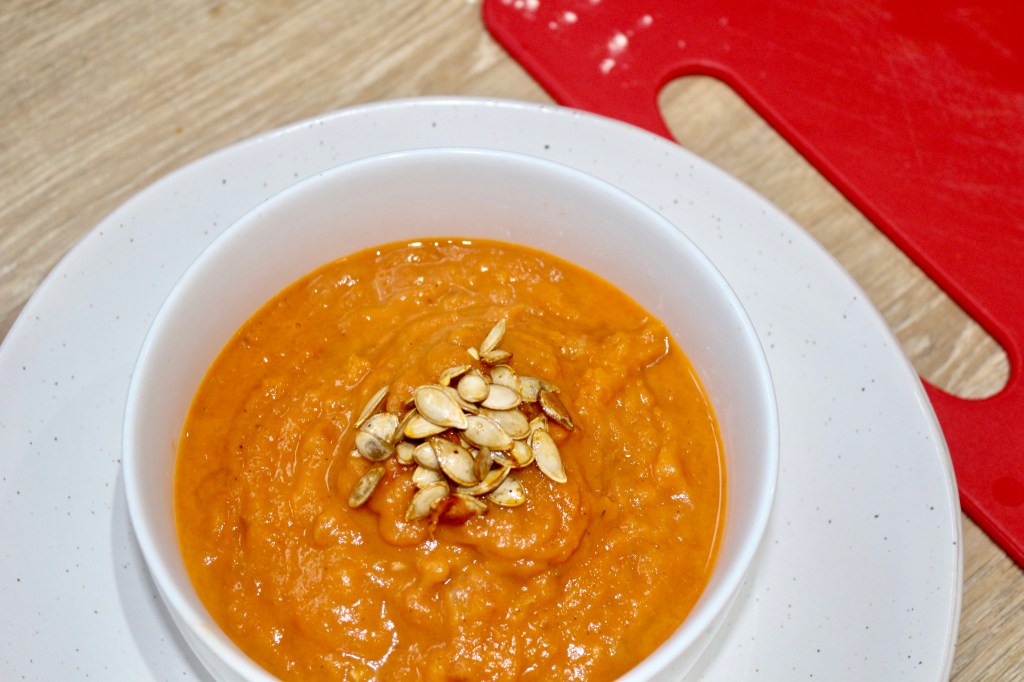
And as anti-food waste as I am, there’s no need at all to throw away the seeds. They’re delicious roasted, and add a lovely crunchy to finish off the soup.

Serves 2

Ingredients:

½ squash (plus seeds)

1 carrot

2 ½ tbsp honey

1tsp paprika

salt/pepper

olive oil

1 onion

½ chilli

1 clove garlic

1 stick celery

50ml coconut cream

1 tin chopped tomatoes

100ml water

1tsp nutmeg

1tsp cayenne pepper

1tbsp nutritional yeast

  1. Roast the squash and carrot (both diced) with 1tbsp honey, paprika, olive oil and seasoning until soft and caramelised.
  2. Roast seeds in separate tray with the same honey coating (use ½ tbsp) until golden. These won’t take as long as the veg, so keep an eye on them.
  3. Sweat the onion in a saucepan or deep casserole dish (anything that the soup can happily sit in without overflowing!), then add the garlic and chilli.
  4. Add the chopped celery and seasoning.
  5. When the veg has finished roasting, add to the pot along with the coconut cream, tomatoes and water.
  6. Add the remaining spices, honey and nutritional yeast, and after stirring, bring to the boil then reduce to simmer for 20 mins.
  7. Remove from heat and blend with a stick blender and add a splash of water if the soup is too thick.
  8. Return to simmer for 5 mins then serve topped with the seeds.

This soup is full of flavour, with a little spicy kick to it, and there’s no way you won’t be satisfied after finishing a bowl. You could serve with crusty bread, but as this soup is on the thicker side, I find that I don’t necessarily want any heavy carbs to dip in (with a thinner soup it’s a different story…).

As is the case with most of my recipes, they’re really easy to adapt if you don’t have all the ingredients. Nutritional yeast isn’t essential, it just adds an extra, subtle umami flavour, and I prefer using a small amount of these flakes to a load of vegetable stock. Sweet potatoes would also work really well for the base of the soup, roasted cherry tomatoes instead of tinned tomatoes, and the coconut cream could be replaced by any other cream or coconut milk, or even just left out entirely for more of a light veggie, tomato flavour.

I really do love this recipe, more so than any of the other squash soup recipes I’ve tried elsewhere, so do give it a try.

¡Comemos!

xo
Spicy Seafood Noodle Broth

Many moons ago, after making my delicious paella, I used the mussel and prawn shells to make a shellfish stock which had been sitting in my freezer for a while waiting to be used. I didn’t want to use it for another rice dish, so came up with an alternative using noodles, which I very rarely cook with.

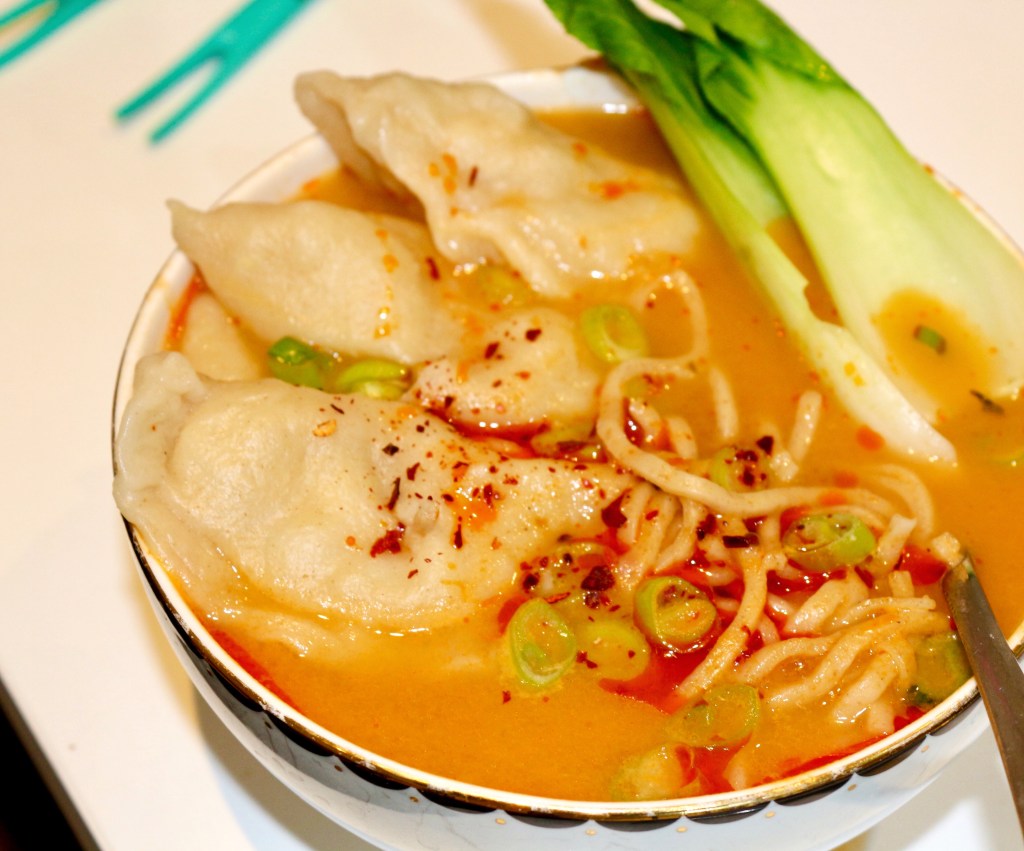
This broth is super light, but it certainly isn’t watery; I also refuse to call it a soup, as there’s so much more going on. It’s a bit of a spicy one, but of course you can play around with the ingredients to make it milder if you prefer; I however, love the kick.

I topped my noodle broth with some dumplings that I can’t claim as my own – I actually followed a recipe from Rick Stein’s Road to Mexico, but I definitely recommend seafoody-style dumplings as an ideal topping, as they add different textures to the dish, along with even more flavour. If you don’t want to go to the effort of making dumplings, other seafood such as prawns would also work really well, and as for the veg, you can mix and match as you like. I love steamed pak choi, but if I’d had some bean sprouts I definitely would’ve added those to.

This is a pretty straightforward recipe, but in order for it to really work, a stick blender is highly recommended, as otherwise you end up with little chunks of onion and chilli floating around, and although that doesn’t affect the flavour, you don’t get a lovely smooth texture. Stick blenders are so worth buying though, especially if you’re a fan of making soups and broths at home.

Serves 2

Ingredients:

1 onion

2 cloves of garlic

chunk of ginger

1 red chilli

small handful of cherry tomatoes

2tsp fish sauce

1tbsp rice wine vinegar

shellfish stock (or fish stock if you don’t have shellfish)

1 400ml tin coconut milk

2tsp sweet paprika

2tbsp sriracha

2tsp miso paste (dark)

bunch of coriander

2 nests of noodles (I used wholewheat)

1 spring onion

paprika flakes

chilli oil

optional toppings, i.e. dumplings, pak choi, bean sprouts, prawns, baby corn

  1. Heat the onion to sweat, and then add the garlic.
  2. Add the chopped or grated ginger, chilli and tomatoes and cook for 5 mins on a medium heat, stirring occasionally (turn down heat if they start to burn or catch on the bottom).
  3. Add the fish sauce and rice wine vinegar and cook for a further 5 mins.
  4. Pour in the shellfish stock, coconut milk, sriracha, miso paste and paprika, sprinkle in some chopped coriander and leave on a low-medium heat for 15-20 mins for all the flavours to soak each other up.
  5. Meanwhile cook your noodles and any toppings, i.e. steam the pak choi. NB. You could cook the noodles in the broth later on after it’s been blended if you prefer.
  6. Use a stick blender to blend the broth to a smooth, slightly creamy consistency.
  7. Add the noodles and top with whichever seafood or vegetables you’ve chosen
  8. Finish with a sprinkling of paprika flakes and spring onions, and a drizzle of chilli oil.

I love the colours in the finished dish – the bright, glossy orange, with the deep red paprika flakes and the contrasting fresh green from the veg. Although not based on any specific dish, this recipe is strongly Asian-influenced – I realise what a broad, sweeping statement that is – but I love how broth-style meals are such a staple in places like Vietnam (Pho), Malaysia (Laksa) and Japan (Ramen). They’re all so different both in terms of flavour and consistency, but what they have in common is the ability to demonstrate just how punchy, comforting and delicious, all at the same time, soup-like meals can be.

¡Comemos!

xo

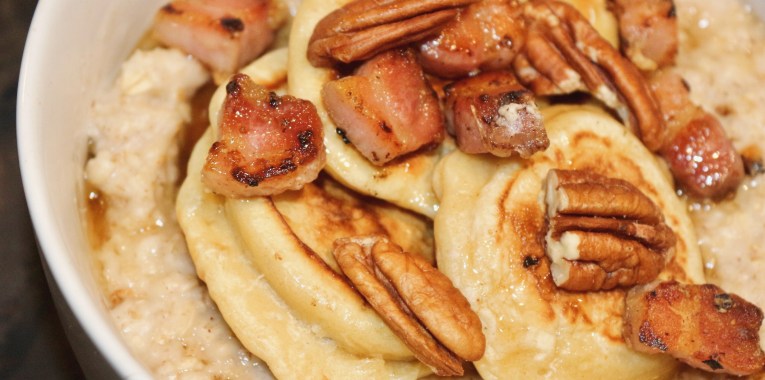
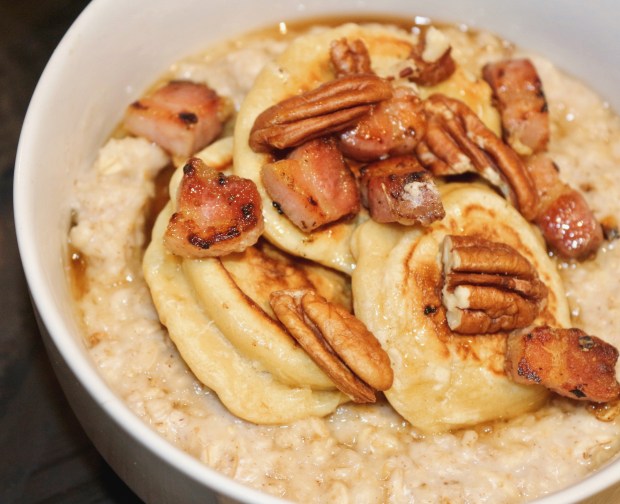
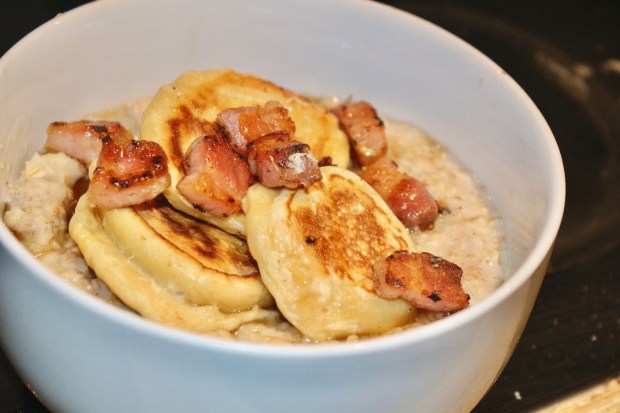
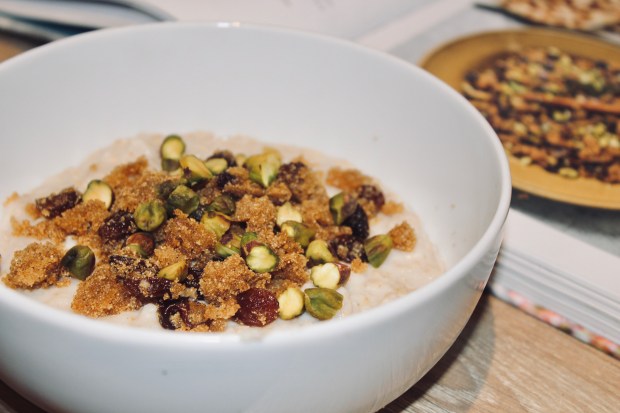
Poffertje Porridge with Pancetta, Maple Syrup and Pecans

Porridge is typically a breakfast meal. And it’s one that when I was growing up, seemed to carry connotations of unappetising, Oliver Twist-style force-fed gruel. There was an almost onomatopoeic disgust to the way we would stretch out the sickly sounding syllables. 

Yet now, it’s experiencing something of a rebirth. This is partly due to health, fitness and nutrition bloggers, and the customisability of the dish which lends itself perfectly to the millennial Instagram aesthetic. Frequently referred to as oats and oat bowls to avoid that dreaded word, this revival of a time-old staple has got me hooked.

Now back to my first point – typically a breakfast meal, yes, but I’m never one to stick to the rules. Sometimes on a cold evening, or after a long day at work, it’s porridge that I crave.

But hold it right there. Because what happens when I’m not only craving a lovely, warming bowl of porridge, but also a stack of light and fluffy pancakes topped with salty bacon and a drizzle of maple syrup? No one could possibly eat both.

Until now.

This is my poffertjes porridge with pancetta, maple syrup and pecans to satisfy every single one of your cravings.

Serves 1

Ingredients:

1 egg

Plain flour

Milk (I use soy milk)

Porridge oats

Pancetta cut into cubes, or more specifically cuboids if you’re using the good stuff like I have (you want the good quality thick deli stuff that comes in slabs, not supermarket wafer thin slices)

Pecans

Maple syrup

Cinnamon (optional)

Disclaimer: As I’ve mentioned before prior to going into my recipes, I’m not going to be precise and focus on measurements. I’m not a recipe developer and so instinct and a bit of common sense should be enough to work things out!

  1. Crack your egg into a bowl and add as much flour as you think you might need for 3 mini pancakes (told you it wasn’t precise…). If in doubt, use less than you think as it’s always easier to add more.
  2. Mix until smooth and then add a tiny bit of milk. Because you’re looking to make mini American style mini pancakes, the batter needs to be pretty thick so it doesn’t spread out in the pan. If the mixture is too loose, you can add some more flour at this point until your batter is the perfect consistency for dolloping in the pan.
  3. In a pan, heat a tiny amount of butter or oil and fry the pancetta until crispy on the outside then remove from the pan and set aside.
  4. Heat another small amount of butter in the same non-stick pan and dollop your batter into the pan in tablespoon size blobs. You should be able to do a few at a time. Cook for a few minutes and turn over – the base should be golden brown. Repeat on both sides until you have all of your poffertjes.
  5. Meanwhile put the oats into a saucepan and add enough milk and/or water to just about cover them. Cook on a low-medium heat until soft and creamy. You can add cinnamon at this point if you wish.
  6. Pile the porridge into a bowl and add the poffertjes. Sprinkle over the pancetta and pecans and finish with a drizzle of maple syrup.

This may not be a conventional meal, but it certainly was satisfying. Why stick to the same old flavours, following the same old rules when you can be a bit more creative? A comfort meal with a twist – do let me know if you try this one!

I’ll leave you with a few other porridge ideas that have gone down a treat…

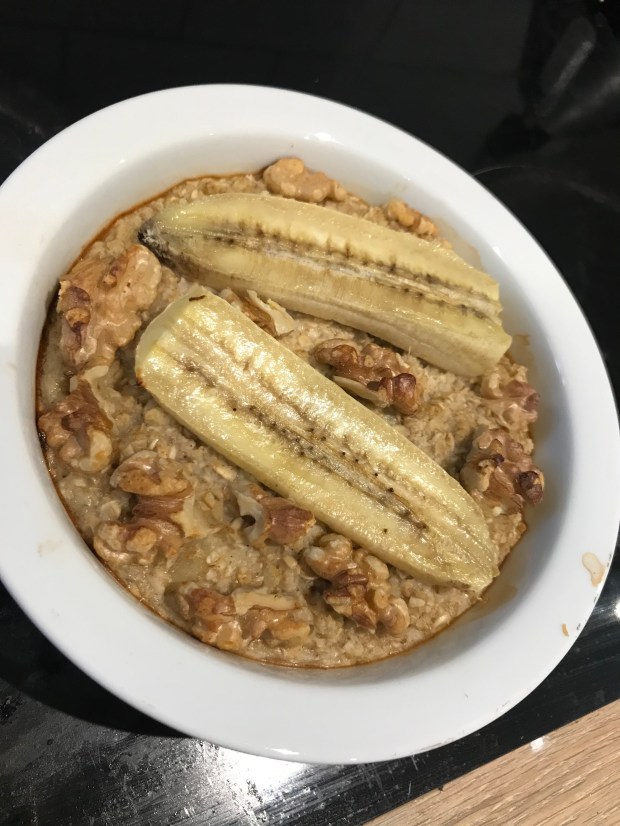
Baked banana oats with walnuts
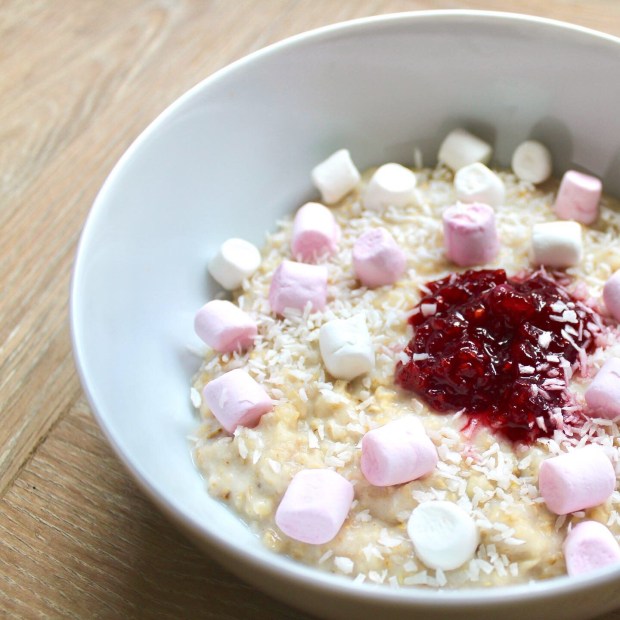
Vanilla porridge with desiccated coconut, marshmallows and raspberry jam

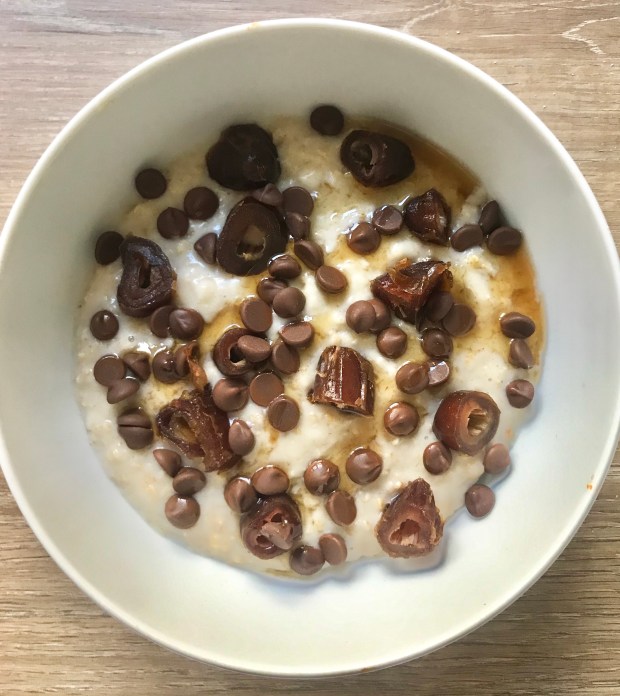
Cinnamon porridge with chopped dates, chocolates chips and maple syrup
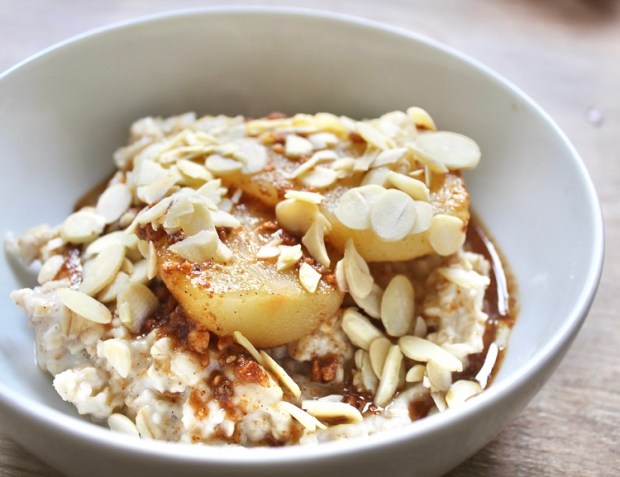
Vanilla oats with poached pears, honey and flaked almonds
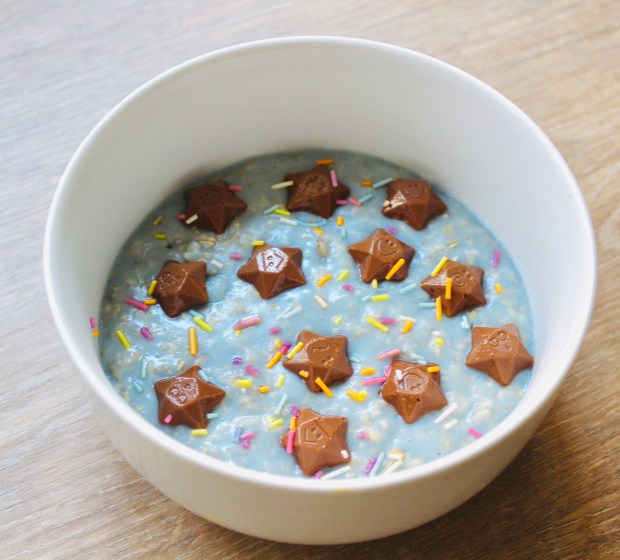
Blue porridge with magic stars and funfetti sprinkles
Orange flavoured porridge topped with semolina halwa

¡Comemos!

xo

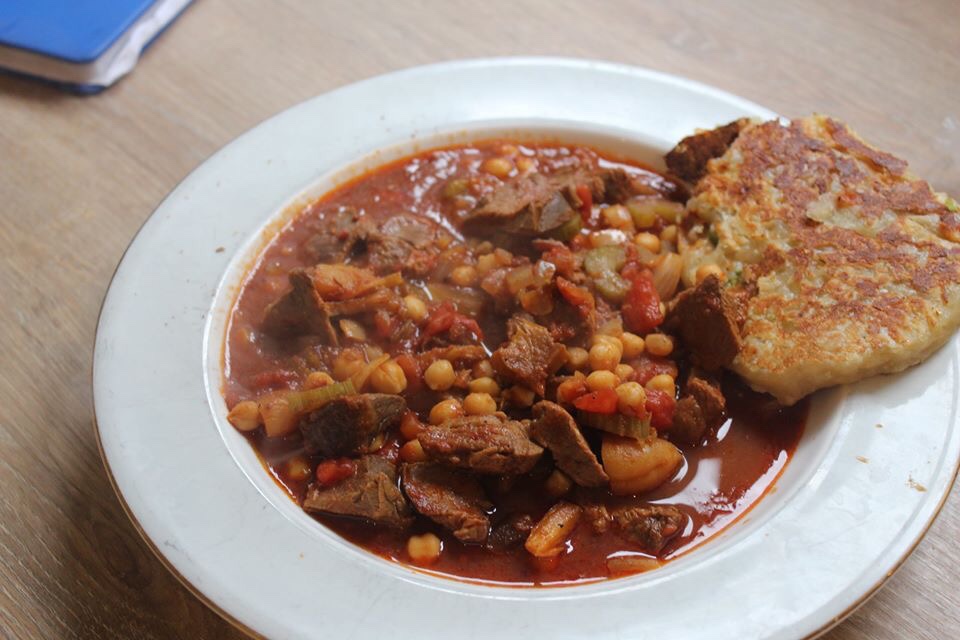
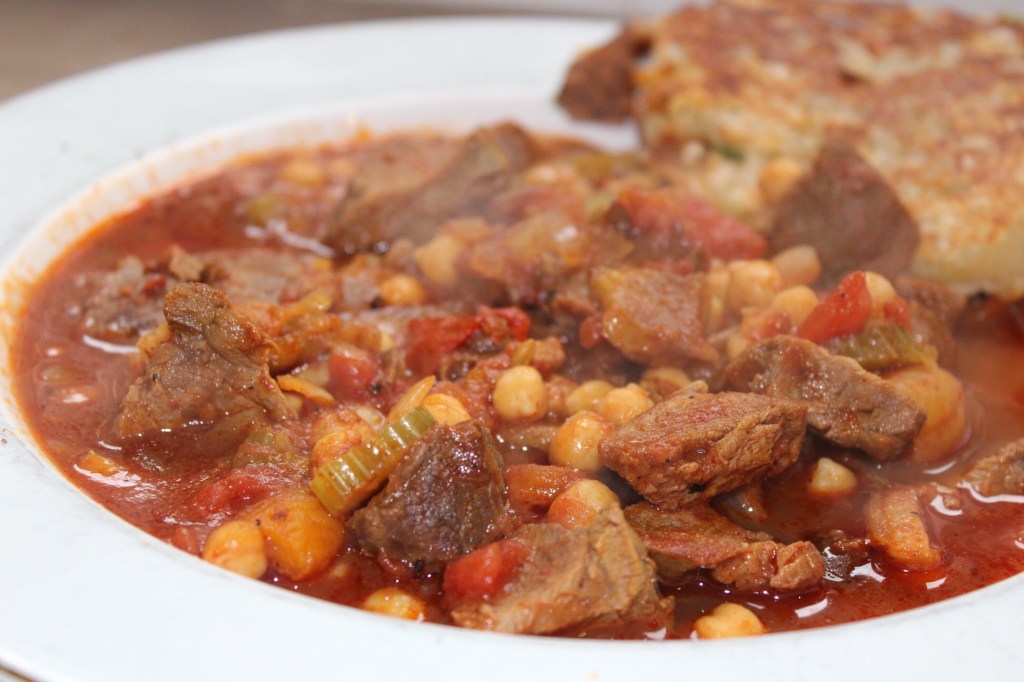
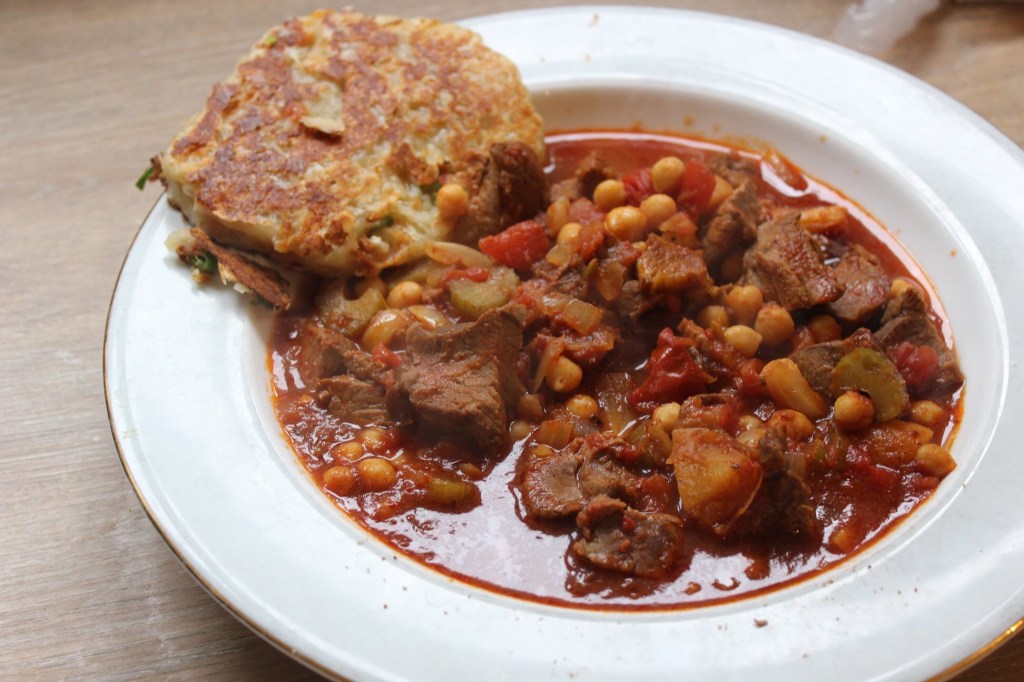
Moroccan-Inspired Lamb and Chickpea Stew with Chilli Cheese Paratha

When I visited Morocco about 7 years ago now, I’ll be honest, I wasn’t that taken by the food. I entirely put this down to the fact that I was still in my fussy phase at 18, rather than the food actually not being good.

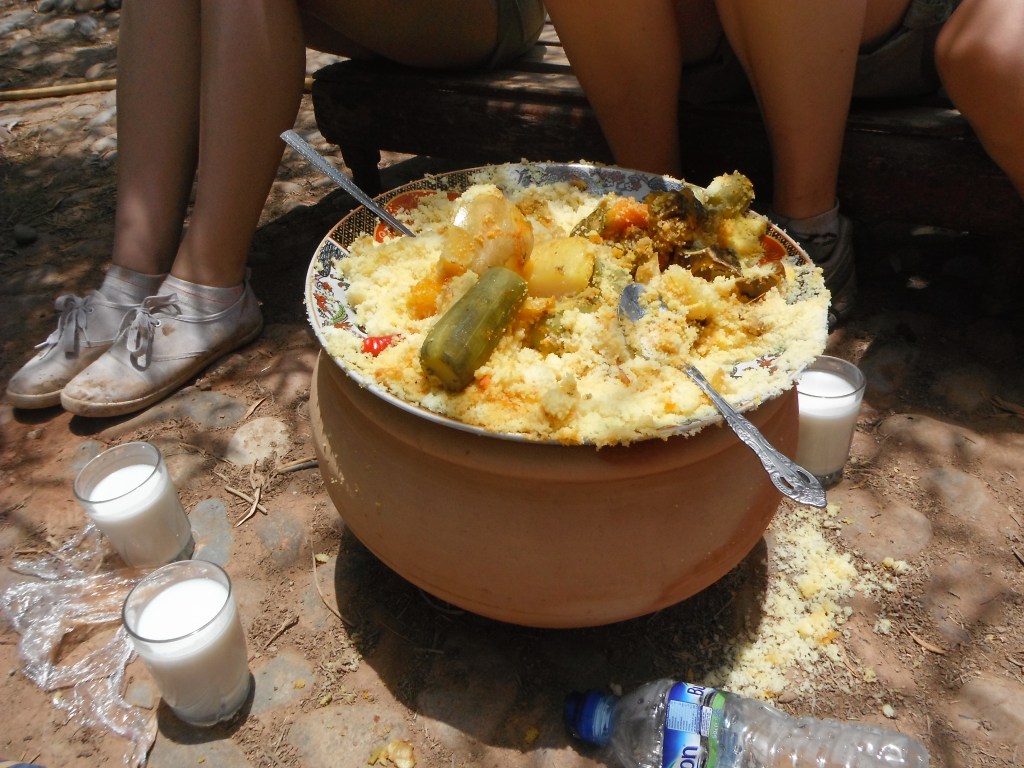
Tagine and Cous Cous were frequently on the menu, and apparently neither of these satisfied me back then. Added to that was the fact that I was on a school ‘expedition’, so most of the meals that I was eating had been cooked for me by our hosts, whether that was Rashid’s wife in Taroudant or the amazing team who looked after us during our camping trek in the Atlas Mountains. Looking back now, this gives me even more reason to be in awe of the food. No choice, just delicious home-cooked (or mountain-cooked) meals dished up for us every breakfast, lunch and dinner. It really was a treat I should’ve appreciated more.

I’ve not really eaten much Moroccan food here either. I once had a tagine from Giraffe at Birmingham aiport, and despite having had some lovely meals from there before, it really wasn’t good.

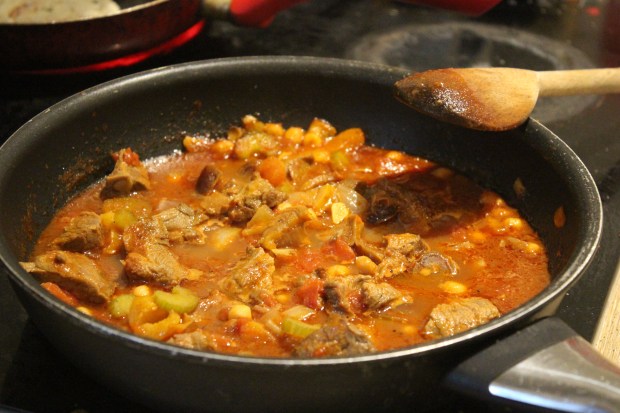
Other than that, my inspiration for this probably has to come from my Dad’s leftover lamb stew, that we’d have the day after a Sunday Roast. For years I refused to eat it if it had apricots/dates in, as the idea of mixing sweet with savoury really didn’t work for me, but now that’s my favourite part.

I’ve finally come up with my own recipe for it, along with a side dish for mopping up all the sauces, inspired by Nadiya Hussain’s ‘Cheat’s Paratha’.

Of course it would be more ‘authentic’ to serve with cous cous, but ultimately you can choose whichever side dish you wish. This one’s satisfyingly indulgent, but I guess cous cous would be the slightly more health-conscious option.

A few disclaimers before I get to the point.

I don’t do recipe writing. It’s not my forte, but I do want to be able to share my successes. Because of that, my way of instruction won’t be the most precise – you’ll have to trust yourself to go with instinct sometimes, but the basic guidelines will be there.

Serves 2

For the stew

Ingredients:

1 onion

1 large clove of garlic

1 tin of chickpeas

1tsp tamarind paste

1tsp ginger paste

2 tsp rose harissa pasta

1tsp ras el hanout

1 ½ tsp cumin

1 tsp cinnamon

1 tin of chopped tomatoes

handful of dried apricots

small handful of dates

leftover lamb

water

salt/pepper

  1. Heat oil in a pan and add chopped onion and garlic.
  2. When fragrant tip in drained chickpeas.
  3. Add the pastes and spices, give it a good mix and cook for a few minutes.
  4. Chop dried apricots and dates into smaller pieces (generally I’d chop apricots in halves or quarters and dates into thirds), and add these along with the chopped tomatoes and seasoning.
  5. Chuck in the leftover lamb and add enough water so that everything is almost completely submerged.
  6. Leave to cook on a low heat for preferably a couple of hours (if you’re massively impatient like I often am, a shorter cooking time just to reduce the liquid slightly will do)

This stew-style sauce should still be liquidy when ready – don’t expect it to reduce down completely. You are aiming for the perfect balance between a thick pasty sauce and watery broth.

For the ‘Paratha’

Ingredients:

Puff Pastry

1 chilli

½ ball of mozzarella

1 tsp chilli powder

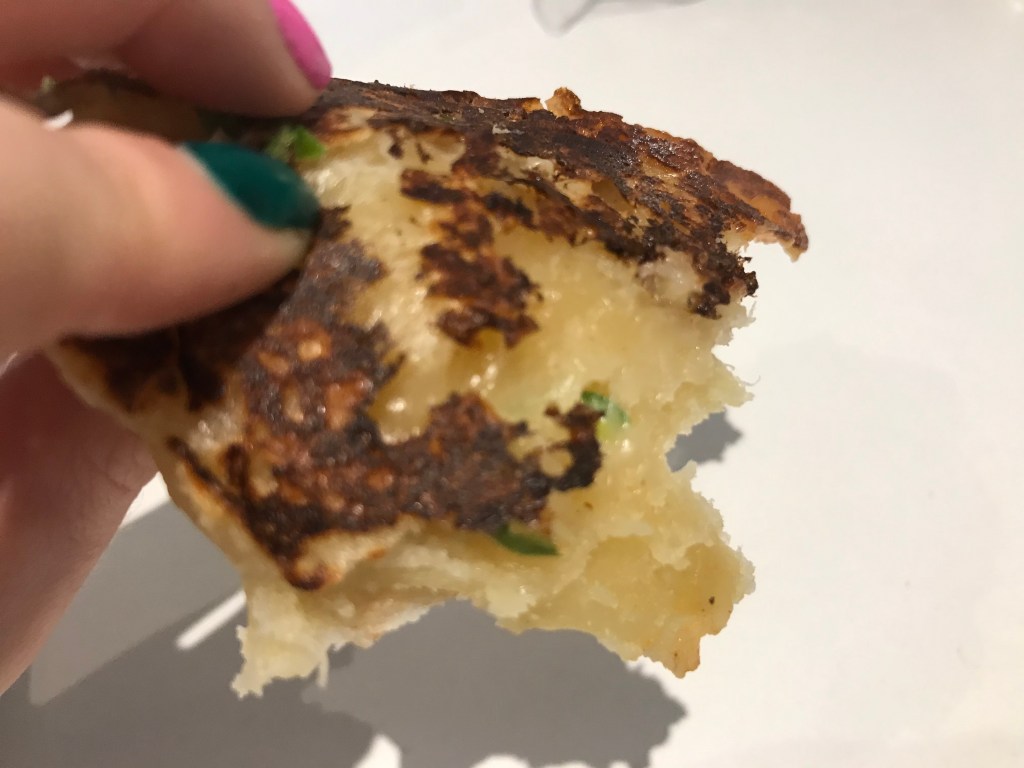
As I mentioned before, this is inspired by Nadiya Hussain’s Cheat’s Paratha. Certainly not a paratha (type of flatbread) in the typical sense, instead of having to make the dough from scratch, here you are just using puff pastry. It ends up having the most amazing soft, spongy texture, and I’ve just added a couple of extra ingredients to make it even more delicious.

  1. Cut your ready-rolled puff pastry into 2 rectangles (you probably want enough that when you roll it into a ball, it’s a fist size).
  2. Roll each rectangle into a ball.
  3. Finely slice your chilli, and tear the mozzarella lump into smaller pieces.
  4. There is no precise technique to this next bit – basically divide the chilli/mozzarella mix into two piles – one for each paratha, and press the puff pastry ball into that pile, constantly pushing the dough around so that the chilli and mozzarella becomes incorporated into the dough. At this point you can also sprinkle over as much chilli powder as you can handle. You want to knead the dough/push it around for a couple of minutes so that the mozzarella and chilli are evenly distributed throughout the dough rather than just being concentrated in one area.
  5. With a rolling pin, roll them flat into circles – I like mine quite thick, so I’d probably go for the thickness of two pound coins. If you’ve used rubbish, cheap mozzarella like me, don’t worry if the dough is incredibly sticky and wet, it might seem like a disaster but it will still work fine.
  6. Heat a frying pan on high, and once rolled out, add your paratha to the dry pan. There’s no specific cooking time, but you want to leave it until it’s crisped up and is no longer sticky at all on one side, and then you can flip it to crisp the other side. A couple of minutes should be enough, but just monitor it and use your common sense.
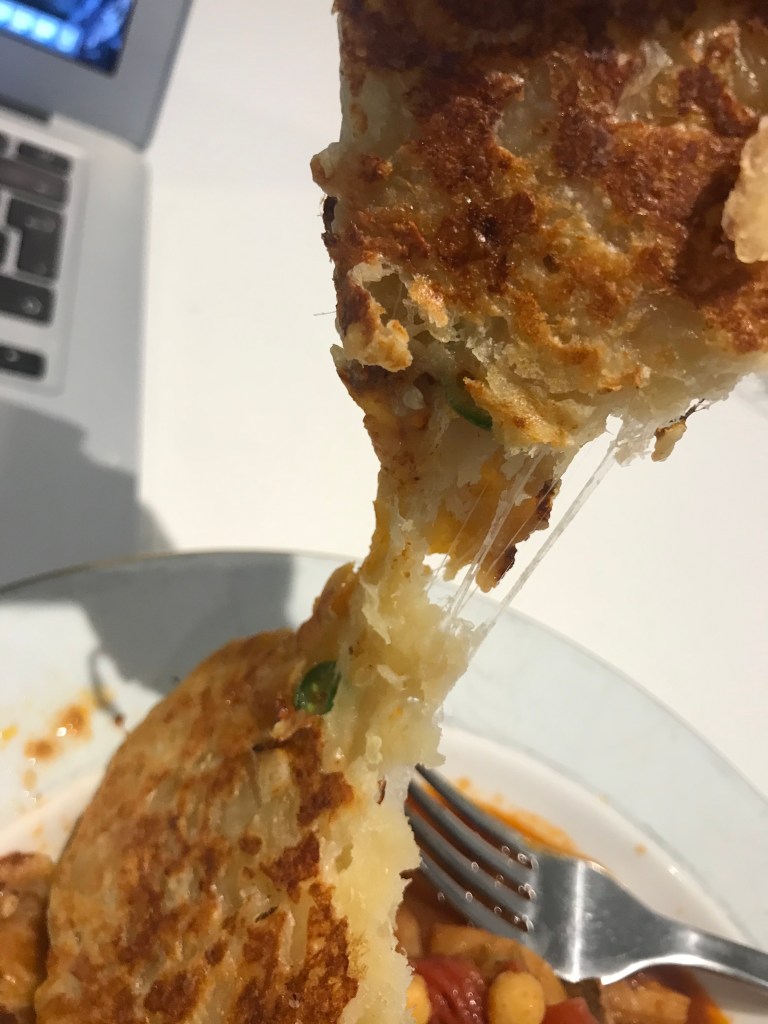
  7. When fully cooked, you should find that they are browned up on both sides but that the centre is soft and slightly gooey and when you pull it apart, the cheese should stretch between both sides.

Serve the stew with your paratha on the side for a cheesy, spicy dipping experience!

Would love to know if anyone ends up trying this, so please leave a comment or connect with me on Instagram @foodtravelsldn.

Hope you enjoy…

¡Comemos!

xo