
So far on our global culinary journey, I’ve covered some of the world’s greatest (and lesser-known) savoury dishes, but it’s time for a change. With its sticky, nutty, booze-fuelled filling, Pecan Pie is surely one of America’s greatest desserts, and it’s about time I dived into some sweeter culinary classics.
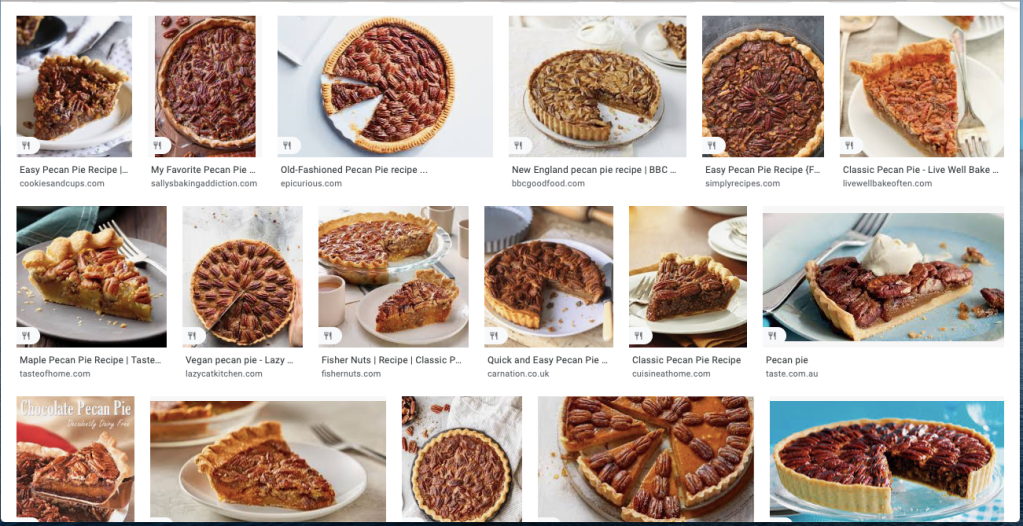
As is often the case with ‘traditional’ dishes, tracing their origins is pretty tough, but with pecans native to the southern states, pecan desserts such as this one are most commonly associated with the south. New Orleans is a particular hub for the famous pie, with some believing that it was invented by the French, shortly after they settled in the city.
Nowadays, in the US, corn syrup is the most common ingredient used to get the deliciously sweet and sticky flavour and texture, however, prior to the invention of corn syrup, and in Pecan Pie recipes not of direct US origin, molasses, treacle, syrups and maple syrup are all used as alternatives.
Closely linked to Thanksgiving and Christmas celebrations, there are a number of variations of Pecan Pie, the most common being with the addition of Bourbon whiskey – another product which is also symbolic of the deep south. Occasionally, chocolate or chocolate chips are added to the pie, although this seems to be less ‘traditional’.
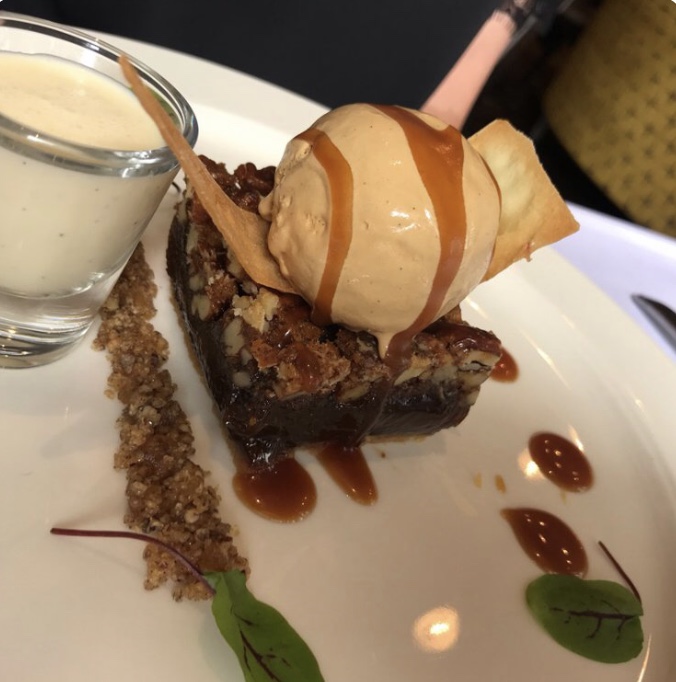
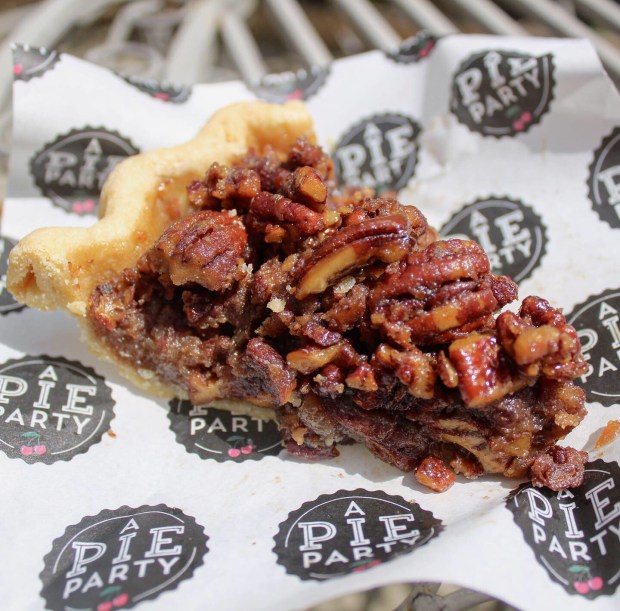
My first couple of experiences of Pecan Pie were both in London, the first being at Christopher’s, an American-influenced restaurant in Covent Garden, and the second, a new menu item created by Claire at my favourite street food stall, A Pie Party. The Christopher’s pie slice was delicious – warmed through and served with ice cream, and was slightly more cakey (and without a traditional crust) than Claire’s version, which is definitely more conventional. I was apprehensive when I first bought a slice from A Pie Party, as unlike the Christopher’s version, this one was flavoured with Bourbon, and I’ve never been great with boozy flavours in desserts. Unsurprisingly, I had nothing to worry about, as Claire had got the balance spot on – a definite punch of whiskey flavours without it overpowering the whole dessert. The pecans were definitely more the star of the show in this second version, with no cakey filling – simply a classic pastry filled with a sticky, non-dense pecan mixture. Both were very different, but equally as delicious.
Having had New Orleans on my mind for the last couple of years, I was lucky enough to spend a few days there earlier this year, precariously close to when all travel was put on hold due to Covid-19. Of all the places in the world to try this dessert, I was going to land in the epicentre of Pecan Pie greatness. It was tough trying to narrow down exactly where I would indulge in a slice of the classic pie, with it generally being a staple on most menus, but after conducting a little of my own research, casual dining restaurant Mulate’s seemed like a good shout.
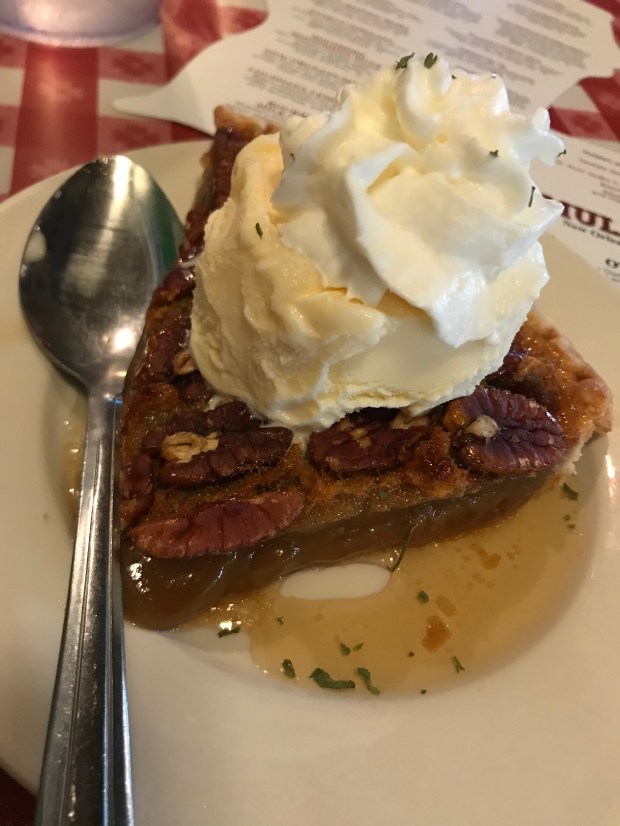
It felt like the most American place I’d ever step foot in – the kind of setting you’d see the Teen Mom cast being filmed in, talking over their latest dramas. It’s a weirdly large place, with endless tables and super high ceilings, and your typical uniform all-smiles service. And to be quite honest, it’s got a pretty down-market feel. However… this is precisely the reason you don’t judge a book by its cover (not that there’s actually anything wrong with the interior), because the Pecan Pie… oh that Pecan Pie. A sensation. I definitely made the right shout having it warmed with a dollop of ice cream – as the ice cream melted into the gooey, sticky filling, it was honestly heaven on a plate. Of all the Pecan Pie slices mentioned in this post, this one definitely takes the top spot.
So when I touched down back in the UK, I felt inspired by the tastes of NOLA, and had bought many sticky pecan related goodies to cook with. I actually already had the Jamie’s America (Jamie Oliver) cookbook and there’s a whole section in there on New Orleans, including a Pecan Pie recipe.
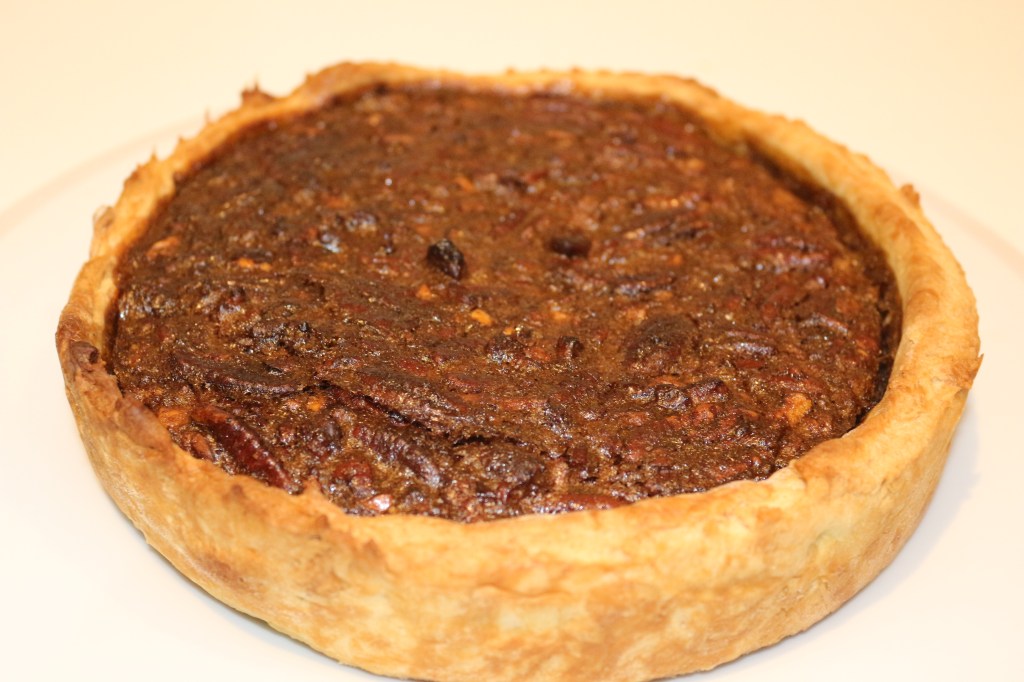
Looking at the results, the pastry case definitely shouldn’t go up as high as this did but this was due to the pie tin that I used combined with significant excess pastry based on the recipe quantities. I’d say overall it’s a decent recipe. The filling tasted good, full of sticky pecans without an overwhelming Bourbon flavour, however, the pastry on the other hand was slightly underwhelming. It didn’t have the lovely crisp, buttery texture that I was hoping for, but how much of that was down to my cooking (and shit, overpowering oven) I can’t say.
Pecan Pie is a dessert that really does deserve to go global. That sticky, nuttiness with a hit of Bourbon to the back of the throat is certainly a more adult taste, but because of that, if you’ve ever thought you didn’t like it, I’d recommend going to back it a few years down the line (our tastes really do change over time…).
It can be a bit pricey to recreate at home, but if you still want your fix without all the effort, there are so many restaurants and bakeries out there that can sort you right out. If you can’t quite justify crossing the Atlantic for it, definitely visit Claire at A Pie Party, or Christopher’s in Covent Garden for two solid New Orleanian efforts.
¡Comemos!
xo


 ¡Comemos!